PLATFORM
Garment management software built around how garment businesses work
One connected platform for products, materials, suppliers, purchasing, inventory, orders, fulfilment, customers and leads - designed for readymade garment manufacturers, traders and wholesalers.
Dashboard
Overview · Today
DAILYCRMSales today
₹0
Open orders
0
Low stock
0
SKUs below reorder level
Pending POs
0
Outstanding
₹12.4L
Active leads
0
Sales trend
Last 12 weeksOrders by status
- New12
- Confirmed28
- Processing19
- Packed9
- Dispatched14
Supplier performance
- ABC Textiles92%
- Shree Trims86%
- Nova Packaging78%
Inventory movement this week: +18,400 in / 14,260 out
₹28,46,000 purchase value
Top products
| Product | SKU | Pcs sold |
|---|---|---|
| Classic Polo | TS-BLK-001 | 4,820 |
| Oxford Shirt | SH-OXF-014 | 3,140 |
| Cotton Jogger | BT-JOG-007 | 2,260 |
| Basic Crew Neck | TS-WHT-002 | 1,980 |
What garment management software should do
A garment business does not run in isolated modules. An order changes available stock, stock changes purchasing requirements, purchasing changes supplier follow-ups, and every one of those changes affects what you can promise a customer. dailycrm keeps those relationships in one system so information does not have to be reconciled by hand.
- Products and SKUs with size and colour variants
- Materials such as fabric, trims, buttons, labels and packaging
- Purchase orders, goods received notes and supplier records
- Inventory with available, reserved and incoming quantities
- Orders through confirmation, packing and dispatch
- Customers, outstanding balances and leads
Where module-based tools break down
Spreadsheets and disconnected tools are usually accurate on the day they are updated. The cost appears later: a size-colour combination is oversold, a fabric shortage surfaces after an order is confirmed, or a purchase order is raised for material that already arrived. Connected records remove the reconciliation step.
How dailycrm fits a garment workflow
Products are defined once with their size and colour variants. Materials are linked to what production needs. Purchase orders flow to suppliers and close out through GRN, which updates inventory. Orders draw on the same inventory, move through fulfilment, and stay attached to the customer record and their outstanding balance.
Frequently asked questions
- Who is dailycrm built for?
- Readymade garment manufacturers, garment traders, wholesalers, apparel distributors, uniform manufacturers and clothing brands.
- Is dailycrm an ERP or a CRM?
- It covers both sides of the commercial workflow. Inventory, purchasing and fulfilment behave like operational software, while customers and leads behave like a CRM - in one connected system.
- Does it handle size and colour variants?
- Yes. Products carry SKU, size and colour, and inventory is tracked at variant level rather than only at product level.
- Can I create product catalogues from my existing data?
- Yes. Catalogues are generated from products already in dailycrm, so pricing and specification stay consistent with your records.
Related resources
Learn more about garment management software
Practical guides on structuring product data, connecting records and running a garment business on one system.
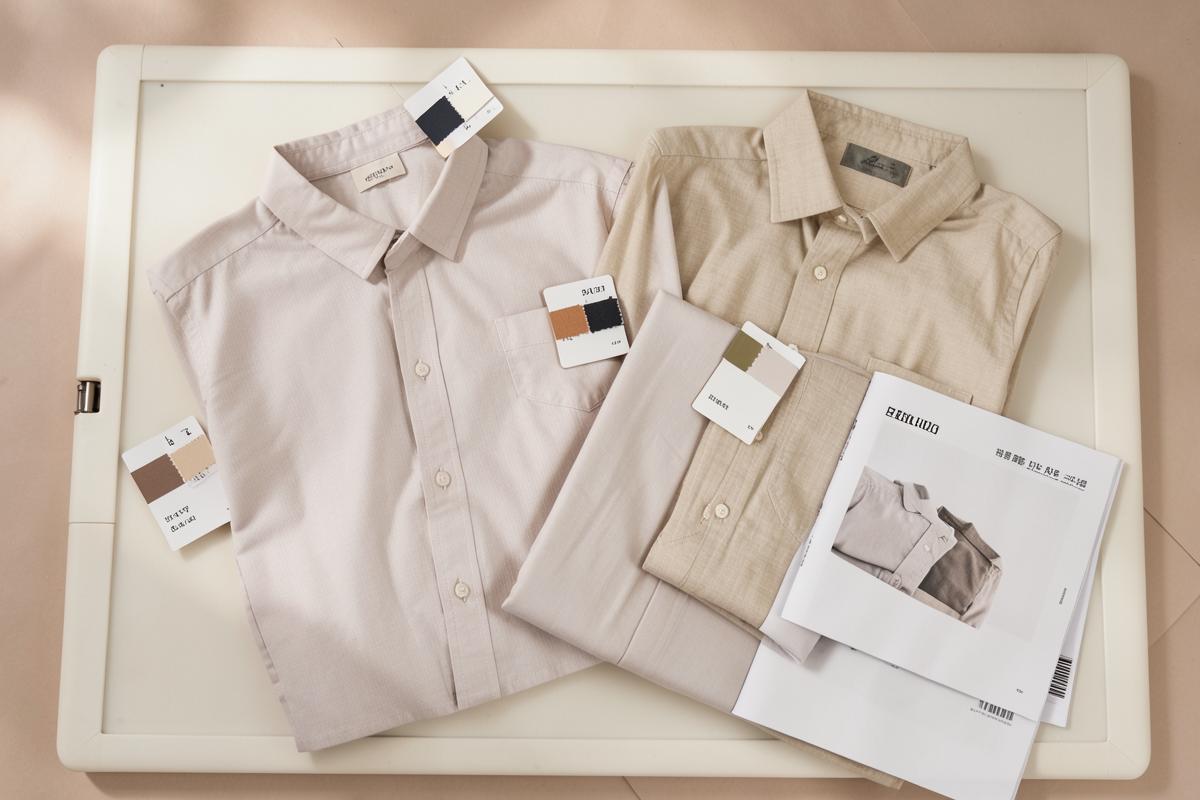 Product Management6 min read
Managing SKUs, sizes and colours without creating a mess
A style is one record. A saleable unit is a style plus a size plus a colour. Confusing the two is where the mess begins.
Read Article- Product Management6 min read
Style costing that survives the second lot
A costing done on a notepad prices the first lot correctly and every lot after it approximately.
Read Article  Garment Business7 min read
Choosing software for a garment business: eleven questions that matter
Most demos look convincing. Ask about size grids, ratio packs and job work, and the differences appear in a minute.
Read Article
Bring your garment business together.
One platform for products, inventory, purchasing, orders, fulfilment and customers.